
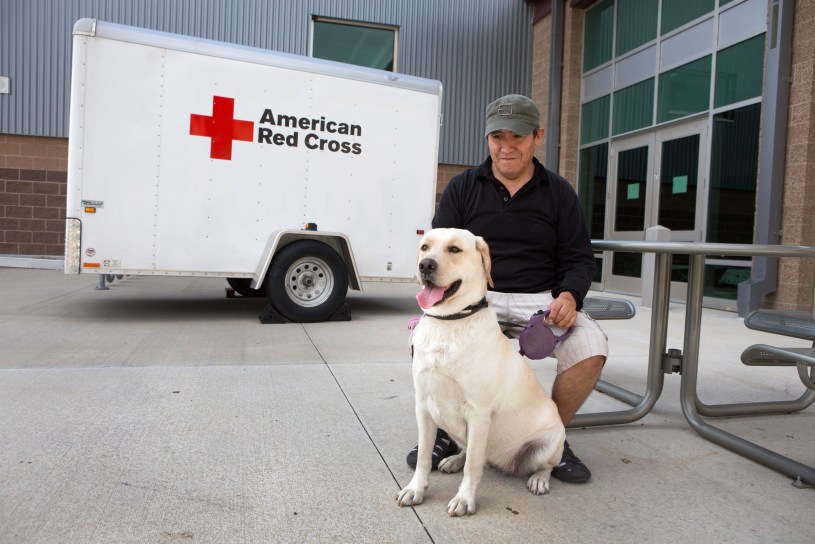
For many of us, pets are much more than animals. They are cherished members of our families. They greet us excitedly after a long day, offer comfort when we need it most, and fill our homes with unconditional love and companionship. In return, they place their trust in us to keep them safe, especially when they cannot protect themselves.
As summer temperatures rise, that responsibility becomes even more critical. While people can seek shade, cool down indoors, and recognize when they are overheating, pets rely entirely on their owners to recognize the dangers of extreme heat and act before a pleasant summer day turns into a life-threatening emergency.
Start with Prevention
The best way to protect pets from heat-related illness is to limit their exposure to high temperatures whenever possible.
Schedule walks, exercise, and outdoor playtime during the coolest parts of the day, typically early morning or late evening. Midday heat can quickly become dangerous for pets, particularly when combined with hot pavement.
A simple test can help determine whether a walking surface is safe: place the back of your hand on the pavement for seven seconds. If it is too hot for your hand, it is too hot for your pet’s paws.
Pets should always have access to fresh, cool drinking water and shaded or air-conditioned spaces where they can escape the heat. Most importantly, never leave a pet unattended in a parked vehicle. Even on days that may not seem excessively hot, temperatures inside a car can rise rapidly to dangerous and potentially fatal levels within minutes.
Know Which Pets Are Most at Risk
While all animals are susceptible to heat-related illness, some pets face a higher risk than others.
Flat-faced breeds, also known as brachycephalic breeds, have greater difficulty cooling themselves because of their airway anatomy. This includes dogs such as Bulldogs, Pugs, French Bulldogs, and Boston Terriers, as well as Persian cats.
Senior pets, overweight animals, and pets living with heart disease, respiratory conditions, or other chronic health issues are also more vulnerable to extreme heat and require extra attention during warm weather.
Recognize the Warning Signs
Early recognition of heat stress can save a pet’s life.
Watch for symptoms such as:
- Excessive panting
- Heavy drooling
- Bright red gums
- Weakness or lethargy
- Vomiting or diarrhea
- Stumbling or difficulty walking
- Confusion or disorientation
Cats rarely pant, so open-mouth breathing in a cat should always be treated as a medical emergency.
If a pet collapses, experiences seizures, or becomes unresponsive, seek emergency veterinary care immediately.
What to Do If Your Pet Is Overheating
If you suspect your pet is suffering from heat stress or heat stroke, act quickly.
Move your pet to a cool, shaded, or air-conditioned location right away. Apply cool, but not ice-cold, water to the neck, chest, belly, paws, and underarms. Increasing airflow with a fan or air conditioning can also help lower body temperature.
If your pet is alert and willing to drink, offer small amounts of cool water. However, do not force water into your pet’s mouth or use ice baths, as these actions can worsen the situation.
Even if your pet appears to recover, contact your veterinarian or the nearest emergency animal hospital immediately. The effects of heat stroke can continue to develop after the initial incident, and serious complications may not become apparent until hours later.
A Few Simple Precautions Can Save a Life
Heat safety is as much about preparation as it is about response. By planning outdoor activities during cooler hours, providing plenty of water and shade, avoiding hot pavement and parked vehicles, and recognizing the signs of heat illness, pet owners can help ensure their animals remain healthy, comfortable, and safe throughout the summer.
Often, a few simple precautions are all it takes to prevent a medical emergency and keep summer fun for everyone.
Why the Red Cross Cares
The American Red Cross is committed to preventing suffering and helping families prepare for emergencies. That mission extends to every member of the family, including pets. By equipping pet owners with lifesaving information and preparedness skills, the Red Cross helps ensure that animals remain safe during periods of extreme heat and other disasters.
Healthy pets contribute to resilient households. When families are prepared to protect both people and animals, they are better equipped to navigate emergencies and recover together.
Take Action Today
Extreme heat can pose serious risks to pets, but those risks are largely preventable. Explore Red Cross pet safety resources, learn how to recognize heat-related emergencies, and take steps now to protect every member of your family.
Together, we can build safer, more resilient homes where people and pets thrive, no matter the weather.
Story By: Nnamdi Noli


