

During disasters, nurses often become some of the first people survivors turn to for help. While many Texans think of hurricanes when they hear about disaster response, the American Red Cross responds to house fires more than any other disaster. After firefighters leave the scene, Red Cross nurses step in to help families facing some of the hardest moments of their lives.
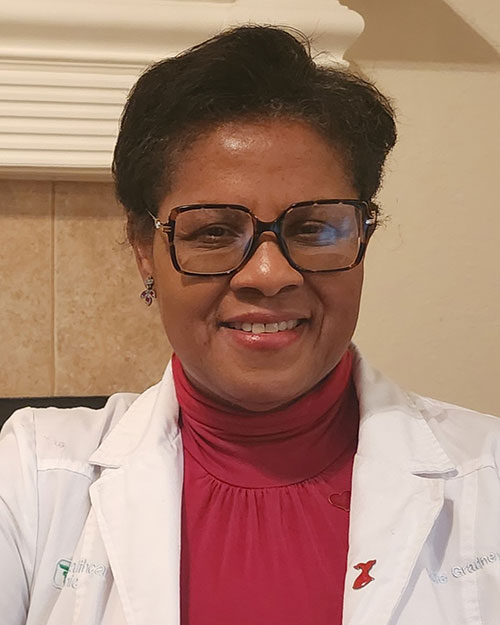
According to Mrs. Eddie Gradney, a board member for the Texas Gulf Coast Red Cross Region and a nurse with more than 35 years of experience, nurses play a critical role in helping disaster survivors recover physically and emotionally. Many families lose far more than their homes in a fire. Medications may be destroyed, medical equipment such as walkers or CPAP machines may be lost, and survivors may leave with injuries that still require care after being released from the hospital.
Red Cross nurses work through Disaster Health Services to contact survivors, assess their medical needs, and help connect them with immediate resources. They provide guidance for injuries and health conditions while helping victims replace essential medications and equipment. In many cases, nurses also become emotional support systems for survivors struggling to process the trauma of losing everything. “Sometimes victims are mentally exhausted and just need someone to talk to,” Gradney explained. “Those first conversations are sometimes with a nurse.”
While Red Cross nurses frequently respond to families impacted by home fires, their work also expands into some of the nation’s largest disasters. During hurricanes, wildfires, and large shelter operations, nurses provide critical healthcare support to displaced families and injured survivors. From shelter operations in Hawaii to disaster responses in Louisiana and Texas, nurses help monitor chronic medical conditions, treat injuries, and ensure survivors continue receiving the care they need during some of the most uncertain moments of their lives.
Nurses also support Red Cross disaster operations behind the scenes. Before volunteers and employees deploy to disaster areas, nurses help medically clear responders to ensure they are healthy enough to serve safely. During deployments, nurses assigned to Staff Health care for responders who become sick or injured while helping communities recover.
One story shared by Gradney highlighted just how impactful Red Cross nurses can be. After a fire victim lost access to insulin and had no immediate financial resources, a Red Cross nurse immediately began contacting pharmacies, insurance providers, and community resources to secure the medication. Within 24 hours, the survivor had insulin again. “A nurse knows who to call and how to get these resources,” Gradney said.
For many nurses, disaster response offers a chance to serve their communities in a completely different environment than hospitals or clinics. “When disaster strikes, people in the community need help too,” Gradney said. “There is no better service than being able to serve your community and do what you do best, which is being a nurse.”


