
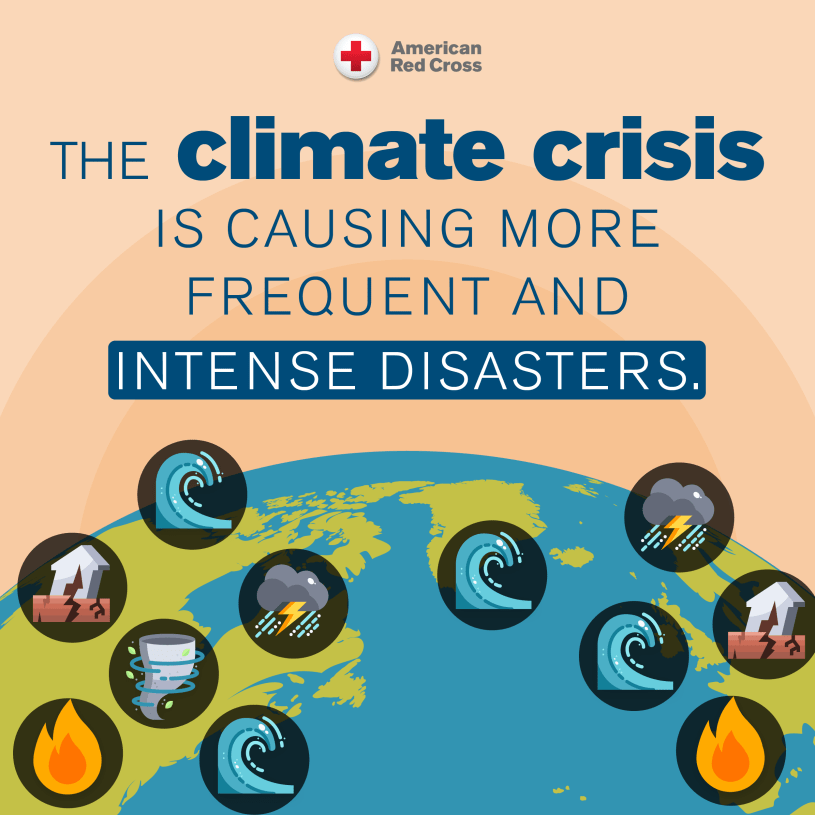
Weather emergencies can catch us by surprise anytime. For instance, the cold front we received in Houston a few weeks ago. Lots of us heard it was coming but didn’t pay too much attention to the warnings. Next thing we know the temperature is below freezing and we are having to rush to cover our plants and bring some inside. That’s not a great way to start your day.
There’s a few “no-brainer” things you can do to prepare for weather emergencies. The first is to stay informed. Monitor weather forecasts. Know and understand your risks. We’re still in winter. Be prepared for winter storms, power outages and floods. Even a sub-tropical area like Houston where got snow this year. Pay attention to the words you may hear such as wind chill, winter storm outlook, watch or advisory. A watch means be prepared. A warning means take action.
You hear that the temperature is planned to drop below freezing. Are you, your family, and your home prepared?
For freezing temperatures, you can take a few basic steps. Pay special attention to the wind chill, or how cold people and animals feel when outside. As wind increases, heat is carried away from your body at a faster rate. Wrap all exposed external pipes in insulating foam or rubber tubes. Once covered, leave it on all year. Cover external faucets with polar caps or faucet socks. If you don’t have anything else, use old rags or towels wrapped with duct tape. I have also used buckets to put over garden faucets. All of these supplies are available at any major hardware store. Exterior plants, if planted in the ground, can be covered with plant blankets or covers. Move the ones in pots inside.
Freezing precipitation, snow or ice on the ground will make travel difficult. Make sure you have enough food and medicines stored. Do you have a backup generator or batteries in case of a power outage? How will you maintain your home heated with no electricity? Caulk any gaps around your house that may let the chilly air inside. Plan for how your family will deal with schools, appointments, work, and essential errands. Are your pets included? Keep elderly neighbors and relatives in mind. They too may need help.
Regardless of the emergency, communication is essential. How will your family communicate with each other? Have a designated meeting place, and consider an evacuation route if you need to leave your home.
As we move though the year other types of emergencies may occur. Tornadoes, hurricanes, and severe storms may affect your area. Keep an emergency kit handy in the event of an evacuation. It should include essentials like:
- Water – 1 gallon per person per day for at least 3 days.
- Non-perishable food, such as tuna and chicken cans that don’t require heating either. Don’t forget a manual can opener. Crackers, nuts, and dried fruit are other options.
- First-aid kit and prescription medicine refills.
- Flashlights and batteries.
- Battery-powered or hand-crank radio.
- A whistle to signal for help.
- Dust masks.
- Basic tools like pliers, screwdrivers, and a hammer.
- Phone portable charging power banks.
- Pet food
- Infant formula and diapers.
- Fire extinguisher.
- Hygiene items.
- Matches
- Paper cups, plates, and utensils.
- Books, games, or other non-battery entertainment.
- Blankets and enough clothes for 3 days.
- Have a weather app installed in your phone. If you go to http://www.redcross.org you will find instructions for our mobile apps under “Get Help.”
- Have hard copies or secure back-ups of key personal, financial, and medical records.
The Red Cross offers a lot of useful emergency preparedness information. Take a look at www.redcross.org. Make time to enroll for one or more of the training programs available like CPR and First Aid. Come join us and volunteer! Nine out of every 10 Red Cross workers are volunteers. The most important requirement is the willingness to serve.
If you cannot volunteer, consider making a donation. You can text $10 to 90999. Or call 1-880-HELP NOW (1-800-435-7669). You can donate online too. 90 cents of every dollar goes to delivering help to those in need.
Story By: Francisco Phillibert

 Texas Gulf Coast American Red Cross